
Living in the Australian Capital Territory (ACT) means sharing the landscape with a rich variety of trees. These trees shape neighbourhood character, protect wildlife, and help manage climate impacts. Because of their importance, many trees are protected by law. Understanding what a regulated or registered tree is can help homeowners, tenants, builders, and landscapers avoid serious penalties and make responsible decisions.
This comprehensive guide explains the rules, the reasons behind them, and how services like tree branch trimming canberra fit within the legal framework from the very beginning.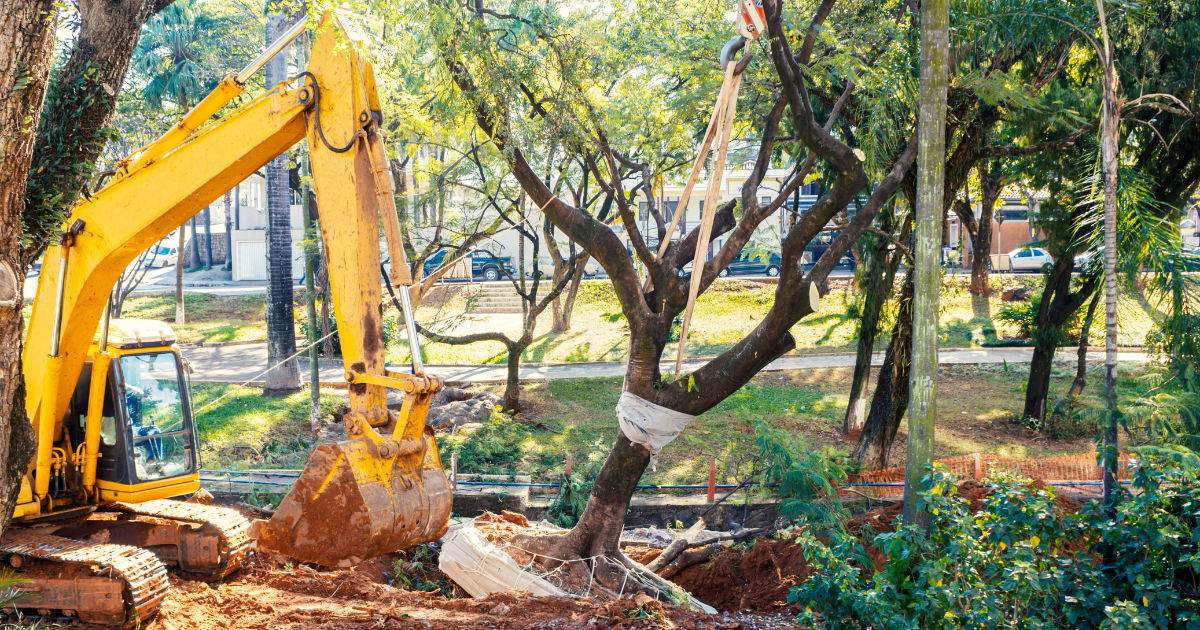
Trees in the ACT are not just private property features. They are part of a shared environmental system. That is why certain trees are classified as regulated or registered and cannot be removed or damaged without approval. Even routine work such as pruning or tree branch trimming canberra may require permission when protected trees are involved.
Why Tree Protection Laws Exist in the ACT
Tree protection laws exist to balance development with environmental care. Canberra was designed as a garden city, and trees play a central role in that vision. Over time, rapid development and climate stress have increased the risk of tree loss.
The ACT government introduced tree protection rules to preserve canopy cover, reduce heat, and protect biodiversity. Large and mature trees provide shade, reduce energy use, filter air, and support birds and insects. Without regulation, many of these benefits could be lost quickly.
These laws also ensure that work such as tree branch trimming canberra is done carefully and legally, especially when trees have environmental or heritage value.
What Is a Regulated Tree in the ACT?
A regulated tree in the ACT is a tree that meets specific size criteria and is protected under the Tree Protection Act. These trees cannot be removed, damaged, or significantly pruned without formal approval.
Generally, a regulated tree is defined by its trunk circumference measured at 1 metre above ground level. If the trunk is 1.5 metres or more in circumference, the tree is considered regulated. For multi-stem trees, the combined circumference is used.
Once a tree meets this size threshold, any action that may harm it is controlled. This includes cutting branches, root disturbance, or tree branch trimming canberra beyond minor maintenance.
What Is a Registered Tree in the ACT?
A registered tree has even higher protection than a regulated tree. These trees are listed on the ACT Tree Register due to their exceptional value. They may be rare species, historically significant, or outstanding in size or form.
Registered trees are protected regardless of their size. Even if a registered tree is smaller than the regulated threshold, it is still protected. Any work, including tree branch trimming canberra, usually requires approval and strict conditions.
The Tree Register is publicly available and helps residents identify trees of special importance in their area.
Key Differences Between Regulated and Registered Trees
While both types are protected, there are important differences.
Regulated trees are protected mainly due to size. Registered trees are protected due to significance. Registered trees often have cultural, heritage, or environmental importance beyond their physical dimensions.
Approval processes for registered trees are usually stricter. Replacement planting, monitoring, and professional supervision are more likely to be required. Even careful tree branch trimming canberra must follow approved plans for registered trees.
How to Identify a Regulated or Registered Tree
Identifying whether a tree is protected is a critical first step before any work begins. Measuring trunk circumference accurately is essential. Measurements should be taken 1 metre above ground, avoiding irregularities like bumps or branches.
To identify registered trees, residents can check the ACT Tree Register online. Local councils and arborists can also assist.
Before arranging tree branch trimming canberra, it is wise to confirm the tree’s status to avoid unintentional breaches of the law.
Activities That Are Restricted on Protected Trees
Protected trees cannot be removed, damaged, or pruned without approval. Damage includes cutting large branches, disturbing roots, or changing soil levels near the tree.
Even activities that seem minor can be considered damage if they affect tree health. Extensive tree branch trimming canberra can reduce canopy, stress the tree, and lead to decline.
Only minor pruning for safety or health reasons may be allowed without approval, and even then, limits apply.
When Is Approval Required?
Approval is required for most work on regulated and registered trees. This includes removal, major pruning, and construction activities that may affect roots.
If tree branch trimming canberra involves removing large limbs, changing the tree’s structure, or reducing canopy significantly, approval is usually required.
Applications are assessed by considering tree health, safety, and environmental impact.
The Application Process Explained
Applying for approval involves submitting a detailed request to the ACT government. This includes reasons for the work, photos, measurements, and sometimes an arborist report.
The assessment process can take time. During this period, no work should be carried out. Hiring professionals experienced in tree branch trimming canberra can help ensure applications are accurate and compliant.
Conditions may be attached to approvals, such as replacement planting or staged work.
Penalties for Non-Compliance
Failing to follow tree protection laws can lead to serious penalties. Fines can be substantial, and offenders may be required to plant replacement trees or restore damage.
Ignorance of the law is not considered an excuse. Even unapproved tree branch trimming canberra can result in enforcement action if it harms a protected tree.
Compliance protects not only the environment but also property owners from legal risk.
Role of Arborists in Managing Protected Trees
Qualified arborists play a key role in managing regulated and registered trees. They understand tree biology, legal requirements, and safe work practices.
Professional arborists can assess whether tree branch trimming canberra is necessary, what level is allowed, and whether approval is required.
Using experienced professionals reduces the risk of damage and ensures work aligns with ACT regulations.
Safety and Tree Branch Trimming in Canberra
Safety is one of the most common reasons for pruning trees. Dead branches, storm damage, or interference with buildings can pose risks.
In these cases, tree branch trimming canberra may be allowed to address immediate safety concerns. However, the work must still be minimal and targeted.
If urgent action is needed, documentation and follow-up reporting may be required to show compliance.
Environmental Benefits of Protecting Trees
Protected trees offer long-term environmental benefits. They reduce urban heat, improve air quality, and manage stormwater runoff.
Large trees also support wildlife habitats. Birds, insects, and small mammals rely on mature trees for survival.
By regulating activities such as tree branch trimming canberra, the ACT ensures these benefits continue for future generations.
Trees and Property Development
Property development often brings trees and buildings into conflict. Construction near protected trees requires careful planning.
Root protection zones must be respected, and changes to soil or drainage must be managed. Even tree branch trimming canberra during construction must follow approved plans.
Early consultation with arborists and planners can prevent costly delays.
Common Myths About Regulated Trees
Many people believe that trees on private land are exempt from regulation. This is not true in the ACT.
Another myth is that pruning is always allowed. In reality, tree branch trimming canberra can be restricted when trees are protected.
Understanding the facts helps property owners make informed decisions.
Tree Replacement and Offsets
When removal is approved, replacement planting is often required. This helps maintain canopy cover across the territory.
Replacement trees may need to meet size or species requirements. In some cases, offsets are required instead of on-site planting.
Even when tree branch trimming canberra is approved, conditions may include future maintenance or monitoring.
Climate Change and Tree Protection
Climate change has increased stress on urban trees. Heatwaves, drought, and storms make tree care more complex.
Protected trees are especially valuable in adapting to climate impacts. Regulations ensure that actions like tree branch trimming canberra do not worsen stress.
Healthy trees are more resilient and better able to support the community.
Community Responsibilities and Benefits
Tree protection is a shared responsibility. Residents benefit from shade, beauty, and improved wellbeing.
By respecting rules around regulated and registered trees, the community supports a healthier environment.
Responsible tree branch trimming canberra practices help balance safety needs with long-term care.
How to Plan Tree Work Responsibly
Planning is key when dealing with protected trees. Start by identifying tree status and understanding legal requirements.
Consult professionals early and allow time for approvals. Document all decisions and work carried out.
This approach ensures tree branch trimming canberra is done legally, safely, and effectively.
Conclusion
Regulated and registered trees are a defining feature of the ACT’s landscape. They provide environmental, social, and economic benefits that extend far beyond individual properties. Understanding what makes a tree protected, and what responsibilities come with that protection, is essential for anyone living or working in Canberra.
By following the rules, seeking approvals when required, and using professional services for tree branch trimming canberra, residents can protect these valuable assets. Responsible care ensures that trees remain healthy, safe, and beneficial for generations to come.
Respecting tree protection laws is not just about avoiding fines. It is about preserving the character, sustainability, and livability of the ACT. When communities work together to care for trees, everyone benefits.
