
Calcium Magnesium Zinc supplements are mainly used to help provide three minerals that the body needs for normal bone health, muscle function, nerve signaling, immune function, and other everyday processes.
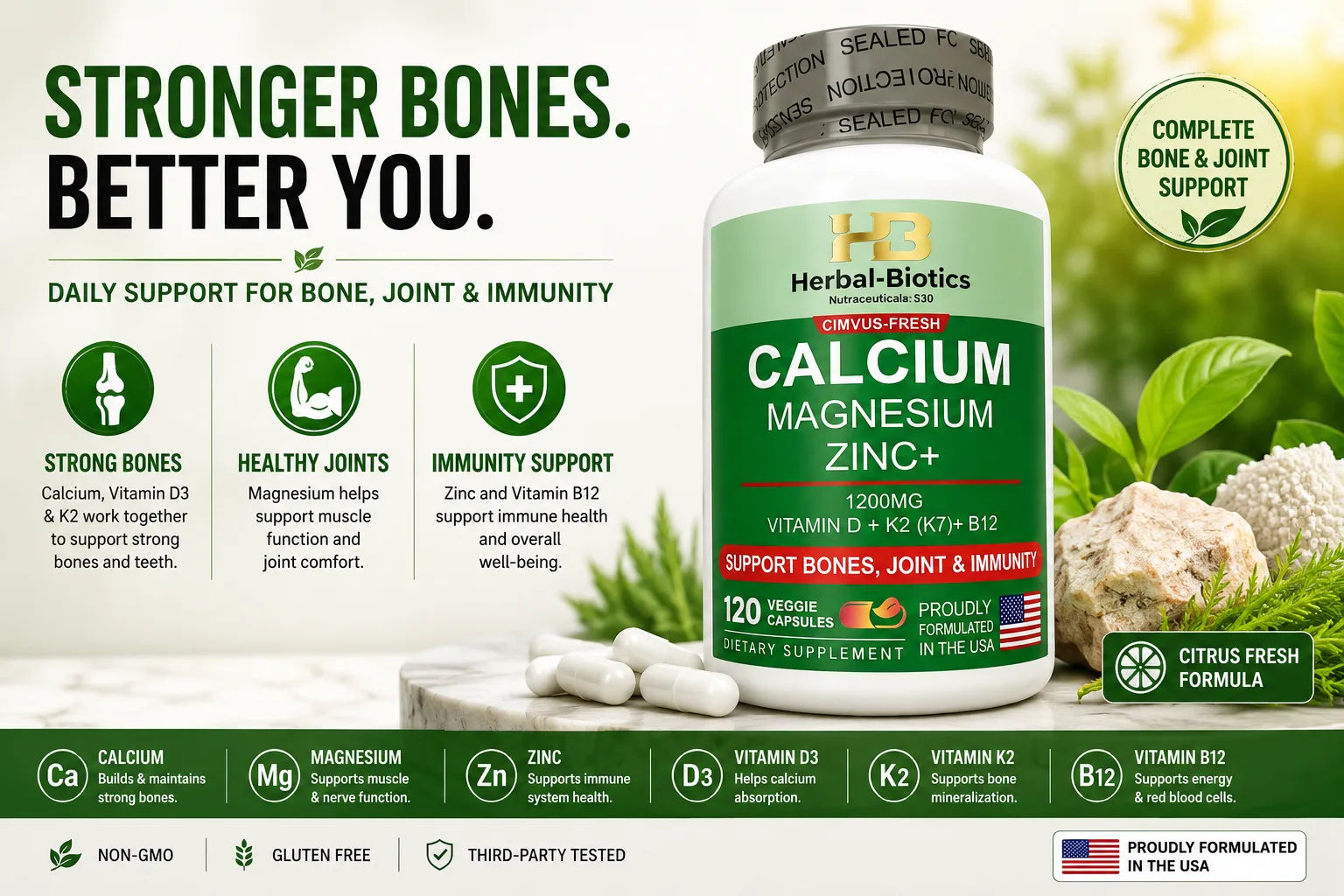
Calcium, magnesium, and zinc each have their own jobs, so Calcium Magnesium Zinc+ is not really a one-benefit supplement. It is a convenient way of supplying several nutrients in one product when someone's diet does not provide enough.
Calcium is especially important for bones and teeth, while also helping muscles contract and nerves communicate. Magnesium is involved in muscle and nerve function, energy metabolism, and hundreds of biochemical reactions. Zinc has a particularly important role in immune function, cell growth and repair, protein production, and normal metabolism.
That does not mean everyone needs Calcium Magnesium Zinc+ in Nigeria. If your diet already provides enough of these minerals, taking extra may offer little practical advantage. The useful question is not simply whether these minerals are good for you. It is whether you are getting enough, and whether supplementation makes sense for your particular situation.
What Is Calcium Magnesium Zinc?
A Calcium Magnesium Zinc supplement is a dietary supplement that combines calcium, magnesium, and zinc, usually in tablet, capsule, powder, or chewable form. The amounts can vary considerably between products, which is why the Supplement Facts label matters more than the name on the front of the bottle.
These minerals are commonly grouped together because they all contribute to normal body function, but they are not interchangeable. Calcium is closely associated with skeletal structure and muscle contraction. Magnesium participates in energy metabolism and normal muscle and nerve function. Zinc is heavily involved in cellular processes, immune function, growth, repair, and protein synthesis.
What Does Calcium Do?
Calcium is best known for its role in bones and teeth. Almost all of the body's calcium is stored there, where it provides structure and hardness. But calcium is not simply a building material. Your muscles need calcium to contract, and your nerves use calcium as part of the signaling process that allows messages to move through the nervous system. Calcium also participates in blood clotting and other cellular processes.
This is one reason calcium requirements matter throughout life, not only during childhood. The body continually remodels bone, so adequate calcium intake remains relevant in adulthood and later life.
What Does Magnesium Do?
Magnesium is involved in a very large number of biochemical reactions. In practical terms, it helps the muscles and nerves function normally and participates in energy metabolism. It also contributes to normal bone-related processes and helps the body carry out many metabolic reactions.
Magnesium is found in foods such as nuts, seeds, beans, whole grains, and green leafy vegetables. A person can have a diet that looks reasonably healthy and still have a relatively low magnesium intake if these foods are rarely eaten.
What Does Zinc Do?
Zinc has a different emphasis. It is important for normal immune function, DNA and protein production, cell growth and repair, wound healing, and normal development. Zinc is present throughout the body because cells need it for many basic processes.
Zinc is found in foods such as meat, poultry, seafood, dairy products, beans, nuts, whole grains, and fortified cereals. The body needs relatively small amounts compared with calcium or magnesium, but that does not make zinc unimportant.
What Is Calcium Magnesium Zinc Used For?
The simplest answer is that Calcium Magnesium Zinc is used to help meet nutritional requirements for these three minerals. The reasons someone may choose a supplement usually relate to bone health, muscle and nerve function, immune function, metabolism, or a diet that does not consistently provide enough minerals.
The important distinction is that these are nutritional roles, not promises that taking a combined supplement will prevent or treat a disease.
Supporting Bone and Teeth Health
Calcium has the clearest connection with bones and teeth. Adequate calcium is needed to build and maintain the skeleton, and the body stores most of its calcium in bones and teeth. Magnesium and zinc also contribute to normal bone-related processes, so adequate intake of all three is relevant to overall nutritional support.
Still, it would be a mistake to look at a Calcium Magnesium Zinc supplement as a guaranteed osteoporosis prevention product. Bone health depends on much more than one supplement. Age, hormones, physical activity, protein intake, vitamin D status, overall diet, genetics, and existing medical conditions all matter. A supplement can help correct an inadequate intake, but it cannot substitute for the broader factors that influence bone strength.
Supporting Normal Muscle Function
Calcium and magnesium have particularly important roles in normal muscle function. Calcium is involved in the process that allows muscles to contract, while magnesium participates in normal muscle and nerve function and helps regulate many biochemical reactions involved in cellular activity.
This is why these minerals sometimes appear in discussions about muscle cramps or exercise. However, a supplement is not automatically the answer to every cramp or muscle complaint. If a person is deficient, improving mineral intake may be useful. If the problem has another cause, simply taking more minerals may not solve it.
Supporting Nerve Function
Calcium and magnesium both participate in normal nerve signaling. Calcium helps nerves communicate with other cells, while magnesium is involved in the normal function of the nervous system and numerous reactions that support cellular activity.
This does not mean that a Calcium Magnesium Zinc supplement should be viewed as a treatment for anxiety, nerve disease, or other neurological conditions. Adequate nutrition supports normal physiology, but treating a medical problem requires identifying its actual cause.
Supporting Immune Function
Zinc is the standout mineral here. It is required for normal immune function and is involved in many aspects of the body's immune response. Zinc is also important for maintaining tissues and producing proteins needed by cells.
That is different from saying that taking extra zinc will "boost" immunity beyond normal. If someone has an inadequate zinc intake, correcting that nutritional shortfall can support normal immune function. Once nutritional needs are met, more is not necessarily better.
Supporting Energy Production and Metabolism
Magnesium has a significant role in energy metabolism. It participates in biochemical reactions that allow the body to use energy and process nutrients. Calcium and zinc also participate in normal cellular and metabolic processes.
This is sometimes turned into marketing language about "energy boosting." That is too broad. A mineral supplement is not a stimulant. Its practical value is greater when it corrects an inadequate intake than when someone with an already adequate diet expects an extra dose to make them feel dramatically more energetic.
Supporting Normal Sleep and Relaxation
Magnesium is often associated with relaxation and sleep, and zinc is sometimes included in sleep-focused supplements. There is a reasonable biological basis for studying these minerals because they participate in nervous-system and other physiological processes.
The evidence, however, is not strong enough to treat Calcium Magnesium Zinc as a proven insomnia remedy. If someone has poor sleep because of stress, sleep apnea, medication effects, pain, depression, an irregular schedule, or another health problem, taking minerals alone is unlikely to address the underlying issue. A supplement may support nutritional adequacy, but that is different from treating a sleep disorder.
Helping Fill Nutritional Gaps
This is arguably the most practical use of a combined mineral supplement. People do not always eat the same way every day. Some have restricted diets, poor appetite, limited food choices, digestive problems, or simply do not regularly eat foods rich in particular minerals.
In my experience, this is a much more sensible way to think about supplementation than assuming everyone needs a daily mineral tablet. If a person's diet consistently falls short, a supplement can help close the gap. If the diet already supplies enough, there may be little reason to add more.
How Do Calcium, Magnesium, and Zinc Work Together?
Calcium, magnesium, and zinc have complementary roles, but they should not be treated as though they perform one combined function.
Calcium is strongly associated with bones and teeth, muscle contraction, nerve signaling, and blood clotting. Magnesium is involved in muscle and nerve function, energy metabolism, and a wide range of biochemical reactions. Zinc has a stronger emphasis on immune function, cell growth and repair, protein synthesis, and normal cellular metabolism.
Because these minerals are often sold together, it is tempting to assume that taking them as a combination creates a special effect that each mineral cannot provide alone. There is not enough basis for that assumption. The established roles of calcium, magnesium, and zinc are well understood individually, but that does not automatically prove that a combined Calcium Magnesium Zinc supplement produces unique benefits simply because the ingredients share a bottle.
There is another practical issue: the amounts matter. A product may contain a useful amount of one mineral but only a modest amount of another. Some products also contain additional vitamins or minerals. The name "Calcium Magnesium Zinc" therefore tells you what is included, but not whether the product is appropriate for your nutritional needs.
Who May Benefit From Calcium Magnesium Zinc Supplements?
Supplementation can make sense for people who have difficulty consistently meeting their mineral requirements through food. That does not mean a particular group automatically needs a supplement. The reason for supplementation should ideally be based on diet, life stage, known deficiency, medical advice, or another clear nutritional concern.
People With Low Mineral Intake
Someone who rarely eats dairy or calcium-fortified alternatives may have difficulty meeting calcium needs. A diet low in nuts, seeds, legumes, whole grains, and leafy vegetables may provide less magnesium. Someone who eats very little meat, seafood, dairy, or other zinc-containing foods may also need to pay closer attention to zinc intake.
The issue is usually the overall dietary pattern rather than one missed meal. Consistently low intake is more relevant than occasionally eating a food that contains less of a particular mineral.
Older Adults
Nutritional needs and eating habits can change with age. Appetite may decrease, food choices may become narrower, and some people may have difficulty eating enough of the foods that provide minerals.
That does not mean every older adult should automatically take Calcium Magnesium Zinc. In fact, unnecessary supplementation can create problems when someone is already taking other products that contain the same nutrients. Looking at the total intake is the sensible approach.
People Who Avoid Certain Foods
Dietary restrictions can sometimes make mineral intake more challenging. People who avoid dairy, follow vegetarian or vegan diets, have food allergies, or have limited diets may need to pay particular attention to their sources of calcium, magnesium, and zinc.
For example, plant-based diets can provide plenty of magnesium, while zinc absorption can be affected by phytates found in beans and grains. This does not mean plant-based diets are inadequate. It simply means that food choices and nutrient availability need to be considered together.
People With Identified Nutritional Deficiencies
An identified deficiency is a much stronger reason to consider supplementation than simply assuming a deficiency exists. Certain digestive disorders, surgeries, medications, and other health circumstances can affect nutrient absorption or status.
If a healthcare professional has identified a deficiency, the appropriate dose and duration may differ from an ordinary over-the-counter mineral supplement. That is a situation where following individualized advice makes more sense than choosing a product based on the largest number on the label.
Food Sources of Calcium, Magnesium, and Zinc
Food is generally the preferred way to obtain nutrients when a person can meet their requirements through a varied diet. Foods provide minerals alongside protein, fiber, vitamins, and other useful components, and they also make it easier to build a balanced eating pattern.
Calcium is abundant in milk, yogurt, cheese, calcium-fortified plant beverages, calcium-set tofu, and some fish eaten with their bones. Certain vegetables, including kale, broccoli, and Chinese cabbage, can also contribute calcium. Fortified foods can be particularly useful for people who do not consume dairy.
Magnesium is commonly found in nuts, seeds, beans, lentils, whole grains, and green leafy vegetables. Foods such as pumpkin seeds, almonds, spinach, beans, and whole grains can make meaningful contributions to daily intake.
Zinc is found in oysters and other seafood, meat, poultry, dairy products, eggs, beans, nuts, whole grains, and fortified breakfast cereals. Animal foods often provide zinc in a form that is readily absorbed, while plant foods still contribute useful amounts even though certain compounds can reduce absorption.
The bigger point is variety. Focusing on one food as the "best" source misses how nutrition actually works. A person's overall eating pattern determines whether nutritional gaps are likely.
How Much Calcium, Magnesium, and Zinc Do You Need?
There is no single daily dosage of Calcium Magnesium Zinc that is right for everybody. Recommended intake depends on age, sex, pregnancy or breastfeeding status, and other individual circumstances.
For adults, the general recommended calcium intake is about 1,000 mg per day for many adults, increasing to 1,200 mg for women aged 51 to 70 and adults aged 71 and older. Magnesium recommendations for adults generally range from 310 to 420 mg per day depending on age and sex. Zinc recommendations are about 8 mg per day for adult women and 11 mg for adult men, with higher needs during pregnancy and breastfeeding.
These figures refer to total recommended intake, not necessarily the amount you should take as a supplement. If your food provides 700 mg of calcium and your supplement provides another 500 mg, your total intake is roughly 1,200 mg. The supplement label should therefore be considered alongside your normal diet and any fortified foods or other supplements you use.
Upper limits matter as well. For adults, the calcium upper limit is 2,500 mg per day from all sources for ages 19 to 50 and 2,000 mg for adults 51 and older. The upper limit for supplemental magnesium is 350 mg per day for adults, while the zinc upper limit is 40 mg per day from all sources. These limits are not targets. They are safety boundaries, and medically supervised supplementation can be different in specific situations.
More minerals do not automatically mean more benefit. In nutrition, correcting a shortfall makes sense. Piling on unnecessary amounts is a different matter.
When Is the Best Time to Take Calcium Magnesium Zinc?
There is no universally perfect time of day for Calcium Magnesium Zinc. For many people, taking a mineral supplement with a meal is practical because food can improve tolerance and reduce the chance of stomach discomfort.
The specific calcium form matters. Calcium carbonate is generally absorbed better with food, while calcium citrate can be taken with or without food. Calcium is also absorbed more efficiently when individual supplemental doses are not excessively large, with absorption being best at amounts of 500 mg or less at one time.
Morning or evening is usually less important than consistency, tolerability, and medication timing. If a product causes stomach upset when taken on an empty stomach, taking it with food is an easy adjustment.
Medication schedules can be more important than choosing between breakfast and dinner. Calcium, magnesium, and zinc can interfere with the absorption of certain medicines, so the correct timing may depend on the specific medication rather than the supplement itself.
What Are the Side Effects of Calcium Magnesium Zinc?
When used appropriately, mineral supplements are generally well tolerated, but side effects can occur. Digestive complaints are among the most common. Calcium supplements may cause constipation, gas, or bloating. Higher supplemental magnesium intakes can cause diarrhea, nausea, and abdominal cramping. Excessive zinc can cause nausea, vomiting, stomach cramps, diarrhea, headaches, dizziness, and loss of appetite.
The amount matters. A person taking a Calcium Magnesium Zinc supplement may also be getting calcium, magnesium, or zinc from a multivitamin, fortified drink, antacid, or another supplement. Looking only at one bottle can therefore give a misleading impression of total intake.
Long-term excessive zinc is particularly worth avoiding because it can interfere with copper status and, at high enough intakes, impair immune function. Very high magnesium intake can be dangerous, especially when kidney function is impaired. Excessive calcium intake can also cause problems.
A sensible supplement should provide an appropriate amount, not simply the highest possible dose.
Can You Take Calcium Magnesium Zinc Every Day?
Yes, daily use can be appropriate when the supplement fits your nutritional needs and the amount you are taking is reasonable. Some people use a mineral supplement regularly because their diet consistently falls short or because a healthcare professional has recommended supplementation.
But daily use is not automatically necessary. If you regularly obtain enough calcium, magnesium, and zinc from food, adding a supplement every day may provide little additional value.
It is also worth checking whether another product already contains these minerals. Taking a multivitamin, fortified nutrition product, separate magnesium supplement, and Calcium Magnesium Zinc tablet together can push total intake much higher than expected.
The right question is not "Can I take this every day?" It is "Do I need this amount every day?"
Can Calcium Magnesium Zinc Interact With Medications?
Yes. Calcium, magnesium, and zinc can interfere with the absorption of certain medications, particularly some antibiotics and other medicines that bind to minerals in the digestive tract. Calcium can also interfere with absorption of levothyroxine, and magnesium can interfere with oral bisphosphonates and certain antibiotics. Zinc can interact with some antibiotics and penicillamine.
The important point is that there is no single timing rule that works for every medicine. For example, the recommended separation between a mineral supplement and an antibiotic can differ depending on the drug. Some medicines also affect mineral status rather than simply having their absorption affected.
If you take prescription medication regularly, ask a doctor or pharmacist about the specific combination. Do not guess based on a general rule such as "take supplements two hours apart." The medication-specific instructions are what matter.
Should You Get Calcium, Magnesium, and Zinc From Food or Supplements?
When possible, food is generally the better starting point. A varied diet can provide calcium, magnesium, and zinc together with protein, fiber, vitamins, and other nutrients. It also makes it easier to adjust intake naturally rather than relying on a fixed supplement dose.
That does not make supplements unnecessary. They have a practical role when someone cannot consistently meet nutritional requirements through food, has an identified deficiency, follows a restrictive diet, has increased nutritional needs, or has been advised to supplement.
I would think of a Calcium Magnesium Zinc supplement as a tool for filling a nutritional gap, not as an upgrade to an already adequate diet. If the gap is small, a large-dose supplement may be unnecessary. If the gap is significant or caused by a medical problem affecting absorption, individualized advice may be more appropriate.
Conclusion
So, what is Calcium Magnesium Zinc used for? Primarily, it is used to provide calcium, magnesium, and zinc when a person's diet does not consistently provide enough of these minerals. Calcium supports bones and teeth and participates in muscle contraction and nerve signaling. Magnesium contributes to normal muscle and nerve function, energy metabolism, and many biochemical processes. Zinc supports immune function, cell growth and repair, protein synthesis, and normal metabolism.
The fact that these minerals are combined in one supplement does not mean the combination is automatically better than taking an individual mineral when only one nutrient is lacking. The useful decision comes down to nutritional need, the amounts in the product, your normal food intake, other supplements you use, and any medicines or health conditions that could affect safety.
A good practical approach is to look at your diet first, then check the actual Supplement Facts label rather than relying on the product name. Consider how much calcium, magnesium, and zinc you already obtain from food and other products. If you take regular medication or have a condition that affects nutrient absorption or kidney function, checking with a doctor or pharmacist is particularly worthwhile. The goal is adequate nutrition, not simply taking more minerals.
