
Baggy sweatpants have become one of the most practical pieces of everyday clothing. People wear them for travelling, running errands, relaxing at home, going to casual meetups, and building streetwear outfits. The appeal is obvious: they feel comfortable, allow movement, and create a relaxed shape that looks effortless when done correctly.
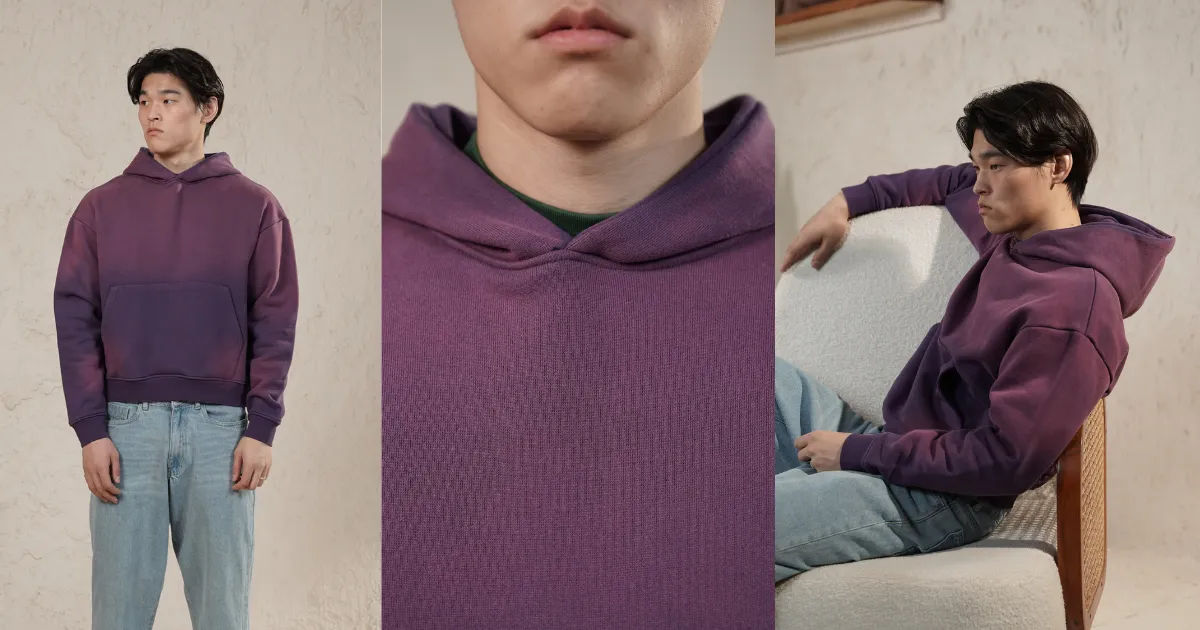
However, many people misunderstand what a good baggy fit actually means. The biggest mistake I see is people thinking that baggy simply means buying sweatpants several sizes too large, similar to how Drop shoulder Heavyweight T-shirts are designed for a relaxed fit rather than just being oversized.
They assume extra fabric automatically creates that loose, relaxed look. In reality, a properly designed baggy sweatpant has a specific shape. The waist, hips, thighs, leg width, and length all work together to create a balanced silhouette.
When someone buys a size that is too large, the result usually is not a better baggy fit. The waistband may sit incorrectly, the rise may become uncomfortable, the legs may collapse instead of drape, and the extra fabric can make the wearer look like they are wearing someone else's clothes. Good baggy sweatpants are roomy, but they still have structure.
In my experience, the best everyday baggy sweatpants are the ones that give your body space without making you fight the garment. You should be able to sit comfortably, walk naturally, and move without restriction while still looking intentional. The goal is not maximum size. The goal is the right amount of volume.
Understanding this difference makes buying sweatpants much easier. Once you know how baggy sweatpants are supposed to fit, you stop guessing with sizes and start choosing based on measurements, fabric, and how the pants actually behave on your body.
What Does a Baggy Fit Actually Mean?
A baggy fit means a sweatpant has extra room built into its shape compared with a regular or slim fit. That extra space is usually added through a wider hip area, more generous thigh measurements, a roomier knee area, and a wider leg opening.
The important thing is that the extra room is intentional. A good baggy sweatpant is designed to hang away from the body while maintaining a natural shape. The fabric should fall downward rather than stick tightly to the legs, but it should not create random folds everywhere.
Many people confuse baggy with oversized. These two fits can look similar at first, but they are not the same.
An oversized fit usually involves increasing the entire garment size. The shoulders, sleeves, waist, and overall dimensions become larger. With sweatpants, an oversized approach often means the waistband, rise, and length become much bigger than necessary.
A baggy fit focuses more on leg volume. The pants are relaxed through the lower body while still fitting properly around important areas like the waist and seat.
A relaxed fit sits between regular and baggy. It gives more comfort and movement than slim sweatpants but does not create a very wide silhouette.
A slim fit does the opposite. It follows the shape of the legs closely, with less fabric and less room through the thigh and calf.
What most people misunderstand is that baggy sweatpants are not supposed to look accidental. The best pairs look loose because they were designed that way, not because the wearer simply chose the wrong size.
How Should Baggy Sweatpants Fit Every Day?
This is the most important part of choosing baggy sweatpants because every section of the garment affects comfort and appearance. A pair can have the correct size label but still feel wrong if the proportions do not match your body.
Waist Fit
The waistband should feel secure without squeezing your body. Baggy sweatpants should not need to be pulled extremely tight with the drawstring just to stay up.
A common mistake is buying oversized sweatpants where the legs look good but the waist is too loose. This creates problems during normal activities. Walking, sitting, or carrying items can cause the pants to slide down, forcing you to constantly adjust them.
The ideal waistband should sit comfortably at your natural waist or slightly below, depending on the design. When tied, the drawstring should support the fit rather than completely replace it.
A good test is simple: stand normally, loosen the drawstring slightly, and see whether the pants stay comfortably positioned. If they immediately fall, the waist is probably too large.
The waistband should also allow room for daily changes. Sitting after eating, travelling for several hours, or moving around during the day should not make the pants feel restrictive.
Hip Fit
The hip area controls how the sweatpants move and hang. There should be enough space for natural movement, but not so much that the fabric creates a large empty area around your seat.
When the hip fit is correct, the pants should allow you to sit, bend, and walk without pulling across the fabric. You should not feel tension when taking longer steps or sitting in a chair.
Too little room makes baggy sweatpants lose their purpose. They may technically have a wide leg, but if the upper section is tight, they will not feel relaxed.
Too much room can make the pants appear shapeless. The fabric may collapse around the hips instead of creating a clean drape.
Thigh Fit
The thigh area is where many baggy sweatpants either succeed or fail.
Good baggy sweatpants usually have noticeable space around the thighs because this creates the relaxed shape people want. The fabric should not press against your legs when standing or walking.
Thigh room also affects comfort. When sitting, climbing stairs, or travelling, tight thighs create pressure and limit movement.
However, more room is not always better. Excess fabric around the thighs can make the pants look bulky rather than relaxed. The goal is enough space for movement while keeping the silhouette controlled.
A properly fitted pair should allow you to pinch some fabric away from your thigh while standing, but the pants should still maintain a clear shape.
Knee Fit
The knee area determines how the sweatpants fall when you move. Since baggy sweatpants have more fabric than regular pants, the knee area needs enough room to prevent pulling and distortion.
When standing, the fabric should hang naturally around the knee. When bending, the pants should move with your body instead of becoming tight across the front.
A common problem with poorly designed baggy sweatpants is excessive bunching around the knees. This usually happens when the leg is too long or the entire pattern is oversized.
Some stacking around the knee is normal, especially with streetwear-inspired styles, but large folds that look uncontrolled usually mean the proportions are wrong.
Leg Opening
The leg opening changes the entire personality of the sweatpants.
Open-hem baggy sweatpants usually create a wider, more traditional streetwear shape. They fall over shoes and create more movement at the bottom.
Cuffed sweatpants have elastic around the ankle, which keeps the shape cleaner and makes them easier for daily activities. They work well for people who prefer a more controlled look.
Neither style is automatically better. The choice depends on how you wear them. Open hems create more visual volume, while cuffs create a neater appearance.
The important thing is that the leg opening matches the rest of the pants. A very wide leg with a tiny cuff can look unbalanced. A narrow opening on a supposed baggy fit can make the pants lose their relaxed character.
Length
Length is one of the biggest factors in making baggy sweatpants look right.
A good length depends on your height, shoe choice, and personal style. Many baggy sweatpants are designed to have some stacking, meaning the fabric gathers slightly above the shoe.
A small amount of stacking creates a relaxed streetwear appearance. However, when the pants completely cover the shoes or drag on the ground, they are usually too long.
The bottom of the sweatpants should interact naturally with your footwear. Sneakers, boots, and casual shoes can all change how the length looks.
When checking length, stand normally and walk around. Do not judge only by standing in front of a mirror. Some pants look good standing still but become annoying when walking because the hem catches under the shoe.
How to Judge the Overall Fit
The easiest way to judge baggy sweatpants is to stop focusing on size numbers and look at how the garment behaves.
A good pair should allow you to move freely without constant adjustment. The waistband should stay comfortable, the fabric should fall naturally, and the pants should look relaxed rather than messy.
Look at yourself from the front, side, and back. From the side view especially, you should see a balanced shape. The pants should have volume, but your body should not disappear completely inside them.
The best baggy sweatpants create a relaxed outline while still looking like they belong to you.
Why Proper Baggy Sweatpants Fit Matters for Everyday Wear
The right fit affects much more than appearance. Baggy sweatpants are often chosen because people want comfort, but comfort depends on the design and proportions.
When the fit is correct, everyday activities become easier. Walking outside feels natural because your legs have room to move. Sitting for long periods becomes more comfortable because the fabric does not pull against your hips and thighs.
For travel, properly fitted baggy sweatpants are especially useful. Long flights, road trips, and waiting periods become easier when clothing allows movement without pressure.
They also work well for everyday errands. Whether you are grabbing coffee, shopping, or meeting friends casually, a good pair of baggy sweatpants can look intentional without feeling overdone.
Fit also affects durability. When sweatpants are too tight, stress is placed on seams and fabric. When they are excessively oversized, extra friction and dragging can damage the garment faster.
The best everyday sweatpants are comfortable because they fit correctly, not because they contain unnecessary amounts of fabric.
How to Choose the Right Size for Baggy Sweatpants
One of the biggest mistakes people make is automatically sizing up to create a baggy look. Usually, this creates more problems than it solves.
Most quality baggy sweatpants are already cut with extra room. If you normally wear a medium, a properly designed medium baggy sweatpant may already provide the relaxed shape you want.
Sizing up can make the waist too loose, increase the rise too much, and add unwanted length. The result often looks oversized rather than baggy.
When buying online, measurements are more reliable than size labels. Compare the waist measurement, hip width, thigh width, inseam, and leg opening with sweatpants you already like wearing.
Different brands also create different interpretations of baggy. One brand's large may feel like another brand's medium because patterns and intended silhouettes vary.
Fabric matters too. Some sweatpants shrink slightly after washing, especially those made from high cotton percentages. Checking care instructions before buying helps avoid surprises.
A smart approach is to choose the size that matches your body measurements and then consider the intended fit of the brand. Do not use random sizing up as a replacement for understanding the garment design.
How Fabric Changes Baggy Sweatpants Fit
Fabric has a major effect on how baggy sweatpants actually look and feel. Two pairs can have identical measurements but appear completely different because of the material.
Cotton sweatpants usually feel natural, breathable, and comfortable against the skin. They often create a softer drape, although lighter cotton may lose structure over time.
Cotton-poly blends are popular because polyester adds durability, shape retention, and resistance to shrinking. These blends often keep their appearance longer with regular wear.
French terry is lighter than fleece and works well for everyday use. It has a comfortable texture and usually creates a cleaner drape without feeling too warm.
Fleece sweatpants are thicker and warmer. They create more volume because the fabric has more body. They are excellent for colder weather but may feel too heavy in warm climates.
Heavyweight cotton creates one of the strongest baggy silhouettes. The fabric hangs with more structure and often produces the premium streetwear look many people want.
The best fabric depends on your lifestyle. Someone wearing sweatpants indoors in a warm climate may prefer lighter French terry. Someone wearing them outdoors in winter may prefer heavyweight fleece or thick cotton.
The fabric does not just affect comfort. It changes the entire way the sweatpants sit on your body.
How Baggy Sweatpants Should Fit Different Body Types
Baggy sweatpants can work for almost any body type because the style is based on proportion rather than a specific shape. The important thing is understanding where you need more or less volume and how the pants balance with your overall frame.
A common mistake is assuming baggy clothing only works on certain people. In reality, the right cut can make almost anyone comfortable. The key is choosing the correct measurements instead of copying a look without considering your own proportions.
Tall People
Tall people often have an advantage with baggy sweatpants because longer legs naturally support a wider silhouette. However, length is still important.
A tall person wearing sweatpants that are too short can lose the relaxed appearance because the fabric does not have enough space to fall naturally. The result may look more like regular sweatpants rather than a true baggy fit.
Longer inseams and wider legs usually work well because they allow the fabric to create a natural flow. However, going excessively oversized can make the pants appear heavy instead of balanced.
The goal is not simply adding more fabric. It is maintaining proportion between the length, width, and the person's overall frame.
Short People
Shorter people can absolutely wear baggy sweatpants, but proportion becomes more important.
The biggest issue is usually excessive length. Sweatpants that are too long can overwhelm the body and create too much fabric around the shoes.
A shorter person often benefits from a baggy fit that has room through the thigh and leg but a controlled inseam. The pants should create a relaxed shape without completely covering the footwear.
Slight stacking can work well, but too much fabric pooling at the bottom can make the outfit look unbalanced.
The solution is not avoiding baggy sweatpants. It is finding a pair where the width and length work together.
Slim Builds
People with slimmer builds often suit baggy sweatpants because the extra volume creates contrast and a relaxed appearance.
The mistake some slim people make is choosing extremely oversized sweatpants because they think more fabric will create a better look. Instead, this can remove all shape and make the clothing appear disconnected from the body.
A better approach is choosing a true baggy cut with a comfortable waist, generous thighs, and a controlled leg opening.
The pants should look relaxed, not like they are falling off.
Athletic Builds
People with stronger legs often need to pay more attention to thigh and hip measurements.
A person with larger thighs may find that some baggy sweatpants still feel restrictive if the pattern is not designed correctly. The leg may look wide, but the upper section may not provide enough room.
Choosing sweatpants with a higher thigh measurement and flexible fabric usually creates better comfort.
The goal is allowing the body to move naturally while keeping the relaxed shape of the garment.
Larger Body Types
Baggy sweatpants can provide excellent comfort for larger body types because they allow movement and avoid unnecessary pressure.
The most important factor is proper proportion. Buying a much larger size is usually not the best solution because it can create problems with waist placement and length.
A better approach is finding sweatpants designed with a naturally relaxed cut. The waistband should feel secure, the hips should have enough room, and the legs should fall naturally.
Good fit is about comfort and balance, not hiding the body under excessive fabric.
Common Baggy Sweatpants Fit Mistakes
Many problems with baggy sweatpants come from misunderstanding what creates a good silhouette. People often chase the appearance of oversized clothing without paying attention to how the garment is supposed to function.
Buying Several Sizes Too Large
This is probably the most common mistake.
People often think going two or three sizes up will create a better baggy look. Usually, it creates poor proportions instead.
The waistband becomes too loose, the rise becomes uncomfortable, and the extra fabric does not necessarily fall in the right places.
A proper baggy design already includes extra room. Buying your normal size in the correct cut often creates a better result.
Ignoring Inseam Length
A lot of people focus only on waist size and ignore length.
This creates situations where the sweatpants fit around the body but look wrong because the legs are too short or too long.
Length affects everything. It changes how the pants stack, how they interact with shoes, and whether the outfit looks intentional.
Always consider inseam measurements when buying online.
Choosing the Wrong Fabric Weight
Fabric choice can completely change the appearance of baggy sweatpants.
Lightweight fabric may feel comfortable but can collapse and lose the wide shape some people want.
Very heavy fabric may create too much volume, especially in warm climates or for indoor wear.
The best choice depends on how and where you plan to wear them.
Excessive Fabric Bunching
Some people believe more wrinkles automatically mean a better baggy look.
That is not true.
A small amount of natural stacking looks relaxed. Large uncontrolled folds usually mean the pants are too long or too oversized.
The fabric should move naturally, not create piles around the ankles.
Wearing Unbalanced Proportions
Baggy sweatpants create a lot of volume on the lower half of the body. If everything else is also oversized, the outfit can lose balance.
This does not mean you cannot wear oversized tops. It simply means the relationship between pieces matters.
A wide pair of sweatpants often works well with a cleaner upper layer because the outfit has structure.
Ignoring Comfort While Chasing Trends
Trends change quickly, but comfort remains important.
A pair of sweatpants may look good in a photo but feel annoying after wearing them for several hours.
The real test is everyday life. Can you sit comfortably? Can you walk naturally? Can you wear them for a full day?
If the answer is no, the fit is probably wrong.
How to Style Baggy Sweatpants Every Day
Baggy sweatpants work best when they are treated as everyday clothing rather than something that requires complicated styling.
The biggest rule is balance. Since the pants already provide volume, the rest of the outfit should work with that shape.
For casual everyday outfits, simple pieces usually work best. A basic T-shirt, sweatshirt, hoodie, or casual jacket can create a natural look. The focus should be on comfort and clean proportions rather than trying too hard.
For streetwear outfits, baggy sweatpants often pair well with oversized hoodies, sneakers, and layered pieces. The important part is controlling the overall shape. Oversized does not mean every item needs to be extremely large.
For travel, baggy sweatpants are one of the most practical choices. A comfortable waistband, soft fabric, and relaxed legs make long periods of sitting much easier. Pairing them with a simple sweatshirt or lightweight jacket creates a functional travel outfit.
For home wear, comfort becomes the priority. Softer fabrics like French terry or fleece are often preferred because they feel better during long periods of relaxing.
In colder weather, layering works well. A heavier sweatshirt, jacket, or coat can balance the wider lower half while adding warmth.
The best styling approach is usually the simplest one. Good fitting sweatpants already create a strong foundation.
Signs Your Baggy Sweatpants Fit Perfectly
A perfect fit is not about looking like you are wearing the largest possible pants. It is about the clothing working naturally with your body.
When baggy sweatpants fit correctly, you should notice several things.
They should feel comfortable when sitting. The waistband should not dig into your body, and the thighs should not feel tight when your legs are bent.
They should allow freedom of movement. Walking, climbing stairs, bending, and stretching should feel natural.
The fabric should drape instead of collapse. You should see a relaxed shape with controlled volume.
The length should match your lifestyle. If you wear sneakers often, the hem should interact naturally with your shoes without constantly dragging.
The proportions should feel balanced. When you look in the mirror, the sweatpants should appear intentionally relaxed rather than accidentally oversized.
A good pair almost disappears when you wear it. You stop thinking about adjusting the waistband or fixing the legs because everything works naturally.
How to Maintain Baggy Sweatpants and Keep Their Fit
Even well-designed sweatpants can lose their shape if they are not cared for properly.
Washing habits have a major effect on fit. Frequent washing in very hot water can shrink cotton fibers and change the dimensions of the garment.
Using cooler water is usually safer, especially for cotton-heavy sweatpants.
Drying also matters. High heat from dryers can reduce softness over time and increase shrinkage. Air drying or using lower heat settings helps maintain the original shape.
The waistband deserves attention because elastic can weaken with excessive heat. A stretched waistband can completely change how sweatpants fit.
To maintain softness, avoid overusing harsh detergents. Fabric naturally becomes softer with wear, but aggressive washing can damage fibers.
Proper storage also helps. Folding sweatpants instead of leaving them stretched over hangers can help maintain their shape.
Good sweatpants are designed for regular use, but care determines how long they continue feeling and fitting correctly.
Conclusion
The real meaning of a good baggy sweatpants fit is simple: the pants should give you freedom without losing control. They should feel relaxed, but they should still look intentional. The waist should stay comfortable, the legs should have room, and the fabric should fall naturally around your body.
The biggest mistake people make is chasing size instead of fit. A larger size does not automatically create a better baggy silhouette. The best results come from understanding measurements, fabric behavior, and how the garment is designed.
When choosing your next pair, focus less on the number on the tag and more on how the sweatpants actually perform. Walk in them, sit in them, move around, and judge how they feel during real life. The right baggy sweatpants should make everyday activities easier while giving you the relaxed appearance you want.
A great pair is not the one with the most fabric. It is the one where the fabric is working correctly.
