
If you think “budget phone” means “cheap and crappy,” it’s time to rethink. In 2026, budget smartphones are doing things that were once reserved for $700–$800 flagships. Yet, the label budget still comes with trade-offs, and knowing what to expect before you spend your money can save you headaches.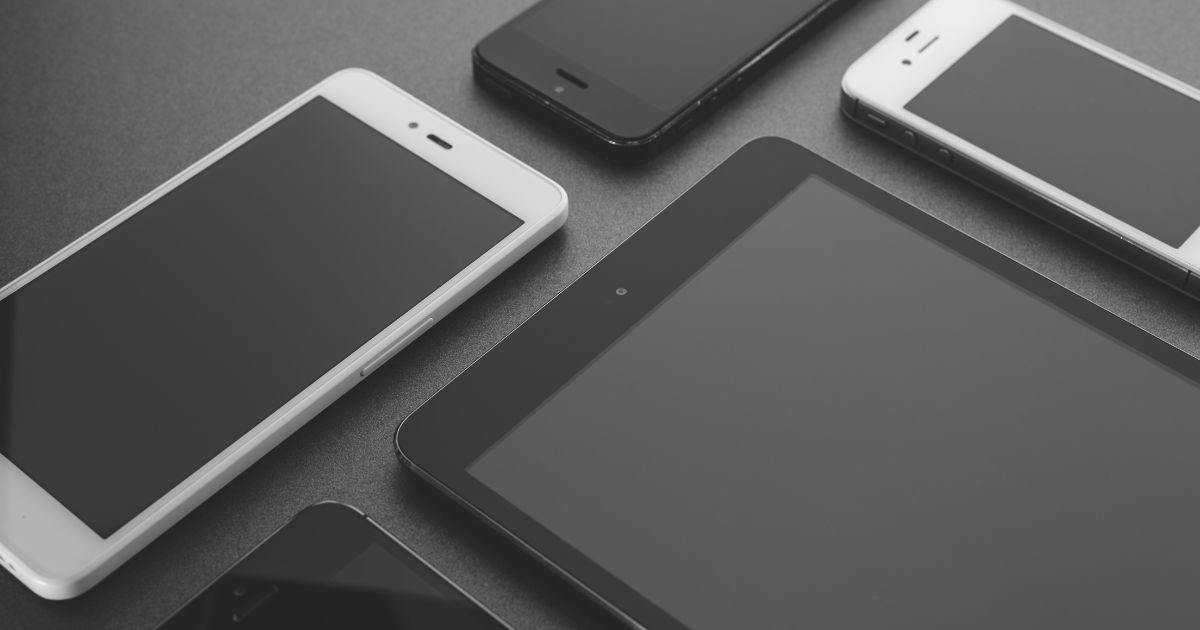
I’ve spent years testing and comparing the latest phones across price ranges, often carrying three or four at once to see how they perform in real life. From daily apps to multitasking, gaming, and photography, I’ve seen what works and what falls apart when a phone is labeled “budget.”
In this guide, I’ll walk you through everything a buyer should know about the newest budget phones in 2026, using specfindr (https://specfindr.com) for insights, based on experience, not marketing copy.
Why Budget Phones Matter Today
The smartphone market isn’t just for flagship hunters anymore. Most people don’t need a $1,000 phone. Budget phones today handle social media, video streaming, messaging, casual gaming, and photography at a level that would have felt premium a few years ago.
Budget phones also drive innovation. Manufacturers push features like AMOLED displays, fast charging, multiple cameras, and even decent processors into lower price brackets. For buyers, this means better value but also more decisions to make, because not all budget phones are created equal.
Why This Guide Is Different
Most “budget phone guides” just list specs and prices. That’s not helpful if you want to actually use the phone. This guide focuses on real-world performance: how apps run, how long batteries last in daily use, camera quirks, and trade-offs you can’t see on a spec sheet.
I’ll also give you practical tips for testing phones in stores, comparing models, and prioritizing features based on your personal needs.
What Is a Budget Phone Today?
Price Ranges for 2026
In 2026, a budget phone usually costs between $120–$250 (roughly PKR 35,000–PKR 70,000 locally). Some may stretch up to $300 for high-end budget models with AMOLED screens and better cameras. Anything below $120 is often a “value” phone rather than a true budget performer it can work, but expect compromises.
Common Misconceptions About “Budget”
It can’t be fast
False. Modern budget processors, like MediaTek Dimensity series or Snapdragon 6xx/7xx equivalents, handle daily tasks smoothly. Multitasking is fine if the phone has enough RAM (6–8GB is ideal today).
Cameras are always bad
Not always. Camera sensors have improved, and software post-processing does a lot. You can get solid daytime shots, but low-light performance still lags behind mid-range phones.
Battery is tiny
Many budget phones now pack 5,000–6,000 mAh batteries with decent efficiency. The key is not just the mAh, but software optimization.
What to Realistically Expect
- Good performance in everyday apps (social media, messaging, YouTube).
- Cameras that are decent in daylight, average indoors or low-light.
- Battery life that lasts a full day or more with moderate use.
- Build quality that feels “plasticky” but functional glass and metal are rare in this segment.
- Occasional slowdowns with heavy multitasking or demanding games.
Core Features to Evaluate
Performance: CPU, RAM, Real-Life Speed, Gaming
Specs sheets list processors like “Snapdragon 6 Gen 1” or “MediaTek Dimensity 6080.” In practice, the number matters less than real-life responsiveness. I’ve seen phones with lower benchmark scores outperform higher ones because of better software optimization.
RAM matters more than the CPU for daily use
4GB is the bare minimum; 6GB–8GB is ideal if you multitask or keep apps in memory.
Gaming
Casual games run fine. Heavy 3D games may require reduced graphics settings. Don’t expect sustained high frame rates over long sessions; some budget phones throttle to prevent overheating.
Battery: mAh vs Efficiency, Charging Speed, Real-World Endurance
Battery capacity is only part of the story. I’ve seen 5,000 mAh phones last a day and a half, while some 4,500 mAh phones die in a day because of inefficient software.
Charging
Fast charging is common (33–65W). In practice, a 33W charger fills a 5,000 mAh battery in about 1–1.25 hours. Some phones claim “100W fast charging” in this segment, but real-world gains are modest.
Display: Resolution, Brightness, Touch Responsiveness
Budget phones in 2026 often come with AMOLED screens and FHD+ resolution, which is excellent for the price.
Brightness
Outdoor visibility can still vary. If you spend a lot of time in sunlight, check actual nits (brightness) in reviews.
Touch responsiveness
High-refresh-rate screens (90–120Hz) are showing up in budget phones. This makes scrolling smoother but can drain battery faster.
Camera: Sensors vs Software, Photo/Video Quality in Practice
Hardware matters, but software is king. Two phones with the same megapixels can deliver very different results.
- Daylight: Most budget phones are solid.
- Low-light: Expect noise, slower autofocus, and washed-out colors.
- Video: 1080p is standard; 4K is rare and often with dropped frames.
- Ultra-wide: Useful, but quality usually lower than the main camera.
Storage: Internal vs Expandable, How Much Is Usable
Budget phones still often include microSD slots. Even if a phone has 128GB, only 110–115GB is typically usable due to OS and pre-installed apps. If you store a lot of photos or videos, expandable storage is valuable.
Software: OS Version, Updates, Bloatware, Performance Impact
In 2026, Android 14 or 15 is common on budget phones. Some brands update regularly, others… not so much.
Bloatware
Expect pre-installed apps that can’t be removed. They may impact performance. Phones with lighter skins (like Motorola or Xiaomi’s newer MIUI Lite) feel snappier.
Build Quality: Materials, Durability, Feel in Hand
- Most budget phones use plastic backs and mid-frame materials. It’s fine if handled carefully.
- Some feature Gorilla Glass 5 or 6 for screens; check for this if you’re prone to drops.
- Weight: Larger batteries and bigger screens make phones heavier; 200–220g is common.
Buyer Personas and Their Priorities
Students
Battery, performance, and durability matter. Cameras are nice but not critical.
Casual users
Social media, video streaming, messaging smooth OS and display responsiveness are key.
First-time smartphone buyers
Simplicity, long battery life, and reliability. Avoid phones with complex custom skins.
Travelers
Dual SIM, battery, GPS accuracy, and offline navigation support are priorities.
Light gamers
CPU, GPU, RAM, and refresh rate matter; a higher-refresh AMOLED makes casual gaming more enjoyable.
Common Trade-Offs
Screen brightness vs battery life
High-brightness AMOLED displays can drain battery faster.
Camera vs price
Better low-light cameras usually cost extra.
Build vs weight
Bigger battery = heavier phone.
OS updates vs budget
Cheap phones often lag in Android updates.
Latest Trends and 2026 Highlights
5G is standard
Most new budget phones support mid-band 5G.
AMOLED panels at this price are common
Better contrast and colors.
Improved AI cameras
Computational photography helps budget cameras punch above their weight.
Fast charging
33–65W chargers are now typical.
Fingerprint and face unlock
are reliable even in budget models.
Features still worth paying extra for
low-light camera performance, AMOLED with 120Hz, faster CPU for multitasking, water resistance (rare but available).
How to Compare Budget Phones
Practical checklist:
| Feature | Real-World Focus |
|---|---|
| CPU/RAM | Check multitasking and app launch speed, not just benchmarks |
| Battery | Look for 1+ day use; check charging speed |
| Display | Brightness, refresh rate, color accuracy |
| Camera | Daylight, low-light, video stability |
| Storage | Usable storage and SD card support |
| Software | Bloatware, updates, UI smoothness |
| Build | Durability, grip, weight |
Tips for testing in stores:
- Open multiple apps at once to check RAM handling.
- Try the camera indoors and outdoors.
- Check touch responsiveness by scrolling social media feeds.
- Test fingerprint and face unlock speed.
Real Examples of Top Budget Phones in 2026
Samsung Galaxy A14
Solid AMOLED, 6GB RAM, decent camera. Great for students and casual users. Slightly heavier.
Redmi Note 13
Excellent performance and battery life, 120Hz AMOLED, good cameras in daylight. Some bloatware, software updates slower.
Motorola G73
Near-stock Android, reliable battery, smooth daily performance. Camera is okay but not great in low light.
Realme Narzo 60X
Budget gaming-friendly, 120Hz display, decent battery. Camera lags behind peers.
Conclusion
Navigating the budget phone market in 2026 can feel overwhelming because the options are better than ever but not all of them deliver the same experience. The truth is, a budget phone today can handle most daily tasks, look good doing it, and even take decent photos, but it’s not a miracle device. Understanding the trade-offs is crucial. Battery life and software updates often matter more than megapixels or a fancy ultra-wide lens. A phone with a slightly slower camera but a smooth, responsive OS will feel far more enjoyable day-to-day than a phone that promises great specs but struggles to keep up with multitasking.
In my experience, the best way to approach a purchase is to think about how you actually use your phone. If you scroll through social media, watch videos, or chat all day, smooth performance and a reliable battery will make more difference than chasing the highest refresh rate or the newest processor. If you take a lot of photos, focus on main sensor quality and daylight performance; don’t expect a budget phone to replace a DSLR or a high-end flagship in low light. Build quality matters too plastic backs can survive normal life just fine, but a flimsy frame or poorly seated buttons will make you regret a purchase within months.
FAQS
Can a $200 phone run social media smoothly?
Yes, in 2026, even phones priced around $200 can handle popular social media apps like Instagram, WhatsApp, TikTok, and YouTube without major issues. In my experience, scrolling feeds, posting stories, and watching short videos works smoothly on devices in this range, as long as they have at least 4–6GB of RAM.
The processor matters less than many people think; what really affects smoothness is software optimization. That said, if you’re constantly switching between multiple apps, opening games, or keeping dozens of tabs in a browser, you might notice some slowdowns or occasional app reloads. For most daily users, though, a $200 phone is more than capable.
Do budget phones last long?
Budget phones today are surprisingly durable if you take care of them, but their longevity depends on both hardware and software. Batteries typically start to degrade after two to three years, which may reduce overall usage time per charge, but the phone itself will usually continue to function fine for four to five years if it’s handled carefully. Screen scratches, accidental drops, and heavy usage habits have a bigger impact than the price tag.
One thing to keep in mind is software support; some budget phones receive fewer Android updates, which can affect security and app compatibility over time. Choosing a model from a brand known for longer update cycles can extend your phone’s practical lifespan.
Which camera matters most for everyday use?
For day-to-day photography, the main wide-angle sensor is the most important feature on a budget phone. In practice, ultra-wide, macro, or depth sensors often add versatility on paper but deliver inconsistent results. Daylight photos are usually sharp and colorful, but low-light performance remains a challenge, with noise, slower focus, and sometimes washed-out colors.
Video recording is fine at 1080p, but don’t expect perfectly smooth 4K video on budget models. In short, if you mainly take casual photos for social media or family memories, focus on a phone with a reliable main sensor and good software processing rather than chasing multiple fancy lenses.
Is AMOLED worth paying extra for?
Absolutely. AMOLED displays are now creeping into the budget segment, and the difference in contrast, color vibrancy, and energy efficiency is noticeable. In my testing, an AMOLED panel makes social media, video, and reading much more enjoyable than a standard LCD, especially in bright sunlight or when using dark mode.
Even if a budget phone with an LCD seems fine on paper, you’ll notice the richer colors and deeper blacks on an AMOLED immediately. The main trade-off is price: you might pay a little more, but for daily use, the improved visual experience and slightly better battery efficiency are often worth it.
Can budget phones handle light gaming?
Yes, many modern budget phones are surprisingly capable for casual and light gaming. Games like PUBG Mobile Lite, Call of Duty Mobile at medium settings, or simpler puzzle and strategy games run well on phones with mid-range processors and 6–8GB of RAM. In my experience, these devices can handle sessions of 30–60 minutes without significant lag, though long gaming sessions may cause heating and occasional frame drops.
Heavy 3D games at maximum settings, however, will push these phones beyond their comfort zone, so temper your expectations. Optimizing in-game graphics settings can make gameplay smoother and extend battery life, making even a budget phone enjoyable for casual gamers.
